Snohomish County Court Clerk is the official office managing court records, processing legal documents, and supporting daily court operations. It serves residents, attorneys, and the public by enabling document filing, payment of fees, and access to court information efficiently. The office ensures legal records are accurate, organized, and accessible for both civil and criminal cases, acting as a central hub that facilitates smooth operations within the local judicial system. The clerk also provides guidance on court procedures and helps ensure compliance with legal requirements, making the judicial process more transparent and user-friendly.
The Snohomish County Court Clerk plays a key role in managing documents and legal records. Its services include filing court forms, tracking case progress, and processing various court documents. By maintaining organized and transparent records, the office assists attorneys, parties involved in cases, and the public seeking records. Handling filing fees and overseeing legal documentation, the clerk ensures the judicial system remains efficient, accessible, and properly structured for smooth functioning of local courts. Additionally, the office provides guidance on procedural requirements and helps ensure compliance with state and local court rules, supporting fair and timely resolution of cases.
Current Snohomish County Clerk of Court
The Snohomish County court clerk manages official Superior Court records and supports the daily operations of the county’s judicial system. This office maintains thousands of legal files that document court proceedings, filings, and decisions within the Snohomish County Court system. It functions as the central judicial records office responsible for preserving case documentation and organizing court information. Residents, attorneys, and researchers rely on this office for verified records, document filing, and case tracking services across the county’s judicial network.
Current County Clerk
The current Snohomish County Court Clerk is Heidi Percy the elected county clerk responsible for supervising court record services and administrative operations. Her office operates at the Snohomish County Courthouse in Everett, Washington, where staff manage filings and maintain official case documentation. The clerk leads teams that maintain accurate court files and support the legal process through organized record keeping and document verification.
The superior court clerk office handles several administrative duties that support court services, including:
- Managing court case files and permanent judicial records
- Supervising document filing and record storage systems
- Assisting residents and attorneys with record requests
- Maintaining digital and physical court archives
- Supporting judges with official case documentation
Role in Court Administration
The superior court clerk plays a central role in court administration by maintaining the official record for each case filed in Superior Court. Staff members track filings, update case activity, and manage documentation used during hearings and court decisions. Judges depend on accurate records maintained by the clerk to review filings and case history. The judicial records office maintains structured systems that allow court documents to remain organized and searchable. These records support case tracking, legal research, and public record services. Through careful document management and administrative coordination, the snohomish county court clerk office keeps the county’s court system functioning smoothly while preserving reliable legal records for long-term reference.
How to Access Court Records in Snohomish County
The snohomish county court clerk office gives clear options for anyone who needs to do a public record search or court case lookup. Users can use online tools to check basic case information, or work with staff to request official records and documents. With step‑by‑step tools and staff help available, people can find what they need without confusion. Many users want a full court record request guide, and this section explains every step in simple terms so readers know exactly how to search and obtain records.
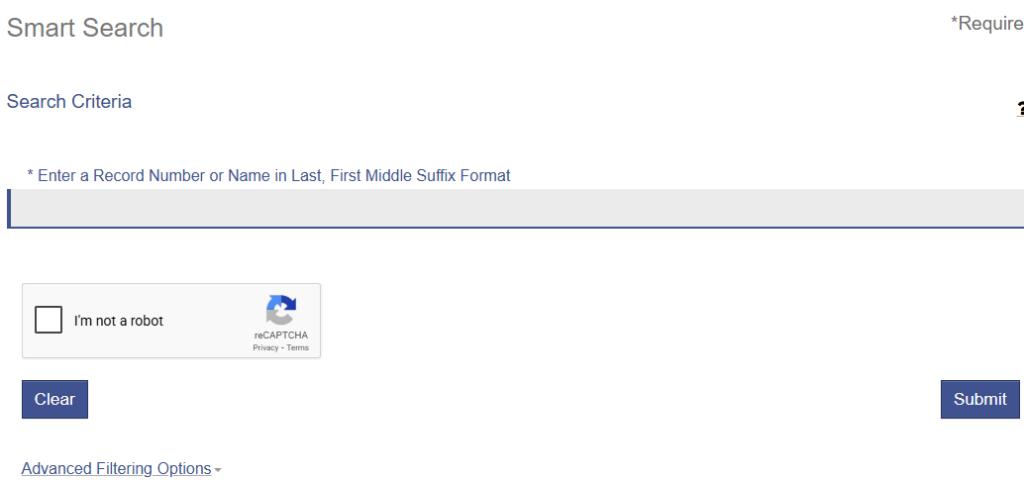
Online Case Record Search
Here’s how someone can use official online tools to look up public case records:
- Open the official court records Official page: https://snohomishcountywa.gov/5508/Access-Court-Records.
- Choose whether you want to view basic case information or access full documents.
- For simple case lookup, you can use the Washington Courts Online Case Search for basic details like hearing dates, parties, and case status.
- For more detailed records or viewing specific filings, you may need an account through the Odyssey Portal.
- Enter the required search details such as:
- Case number
- Party name
- Date range or case type
- Click Search and review results that match your terms.
- For online systems that require an account or subscription (like the Odyssey Portal), follow the prompts to register and log in before viewing documents.
Requesting Records from the Clerk Office
If the documents needed aren’t available online or you want certified copies, follow these steps:
- Visit or contact the Snohomish County Clerk’s Office at:
3000 Rockefeller Ave., M/S 605, Everett, WA 98201. - Ask staff for the court record request form or download it if available online.
- Complete the form with as much detail as possible.
- Choose how you want your records:
- In person
- Mail (submit the form with a self‑addressed stamped envelope)
- Email (if the office accepts it)
- Pay any applicable copying or processing fees.
- Regular copies cost about $0.25 per page.
- Certified copies have a set fee, and audio recordings may carry a separate fee.
- Wait for the office to process your request. Mail requests can take about 10 business days.
Restrictions on Confidential Court Documents
Not all court records are open to the public. Some files, such as juvenile cases or sealed matters, are restricted by law. The clerk office will:
- Let you know if a record is private or sealed.
- Tell you what steps are required to request access (like having a court order).
- Offer help on how to proceed if you have legal permission to see restricted records.
Role of the Snohomish County Court Clerk
The Snohomish County Court Clerk manages official court records and provides administrative support to keep the Superior Court organized. The office maintains legal case files, processes filings, and preserves judicial documentation for all county cases. As part of this process, the clerk’s office also maintains the court docket which tracks case events, filings, hearings, and updates related to ongoing proceedings. Acting as the central hub for court records, staff record documents submitted by attorneys, residents, and government agencies, ensuring accurate and consistent documentation. This structured administration protects the reliability of court records and maintains a permanent archive of Snohomish County’s legal proceedings.Responsibilities managed by the clerk office include:
- Maintaining official court records for all Superior Court cases
- Managing digital databases and physical court files
- Supporting judicial filing support for legal documents
- Preserving case history through structured case documentation
- Coordinating administrative tasks related to hearings and filings
Managing Court Records and Case Files
The legal record management department organizes thousands of case files generated by court proceedings each year. Civil disputes, criminal cases, family law matters, and probate filings all produce legal documents that must be recorded and preserved. The snohomish county court clerk manages these records so judges and attorneys can review accurate case history during hearings.
Typical records maintained by the clerk office include:
- Court motions and petitions
- Judicial orders and rulings
- Filed evidence and supporting documents
- Case scheduling records
- Final judgments and court decisions
Processing Legal Documents for Court Cases
The court filing support team handles document submissions connected to Superior Court cases. Attorneys, residents, and government agencies submit legal paperwork that becomes part of the official court file. The snohomish county court clerk supervises this judicial filing support process to keep court documentation accurate and properly recorded.
Document processing within the clerk office includes several steps:
- Reviewing submitted legal forms for completeness
- Assigning or confirming the correct case number
- Applying official filing stamps to documents
- Recording filings within the court database
- Updating case records used during court hearings
Supporting Judges, Attorneys, and the Public
The snohomish county court clerk office provides administrative support that benefits judges, attorneys, and residents seeking court information. Judges rely on accurate records maintained by the clerk during hearings and case review. Attorneys use the office for document filing, case verification, and record requests.
Clerk staff assist the public with several services connected to court administration, including:
- Searching official court records
- Submitting document filings
- Requesting copies of case documents
- Confirming hearing dates and case status
- Receiving assistance with record requests
Services Provided by the Clerk Office Snohomish
The Clerk’s Office in Snohomish County supports the Superior Court by managing filings, preserving public records, and assisting residents and attorneys with case documentation. It maintains both digital and physical archives of filings, judicial orders, and case decisions, ensuring accurate and organized records. Acting as the main document services center, the office enables authorized users to access reliable case information efficiently. Its work is essential for structured court documentation, long-term record preservation, and smooth operation of the county’s judicial system.
Filing Court Documents
The clerk office snohomish manages court forms filing for cases processed through the Superior Court. Attorneys, government agencies, and residents submit legal paperwork that becomes part of the official court file. Staff members review each submission and record it within the court database so that judges and attorneys can rely on accurate case documentation during hearings. The filing process usually includes document verification, applying filing stamps, and recording the filing date. Staff then update the official case file to reflect the latest activity connected to the case. Common documents processed through these document filing services include:
- Civil complaints and petitions
- Family law filings such as custody or divorce documents
- Probate case paperwork and estate filings
- Criminal motions submitted by attorneys or prosecutors
- Court orders, judgments, and supporting evidence
Accessing Public Court Records
The clerk office snohomish maintains public court records through structured legal records management systems. Court files document case activity, filings, judicial rulings, and final decisions issued by the Superior Court. Attorneys, researchers, and residents may request legal record access for many case types that remain open to the public. Records are stored in secure digital databases and organized physical archives. Authorized users can review case files, verify case status, or request document copies. Common types of case records access include:
- Viewing case filings and legal motions
- Checking court hearing schedules
- Reviewing judicial rulings and orders
- Accessing archived court case documentation
- Confirming final case judgments
Requesting Certified Copies of Court Documents
Residents, attorneys, and government agencies often require certified court copies for official legal use. The clerk office snohomish prepares certified records that carry the official court seal confirming that the document matches the original court file. These records are commonly used in legal proceedings, appeals, and government documentation.
The certified copy request process typically includes several steps:
- Submitting a request form with the case number or party name
- Identifying the exact document needed from the case file
- Paying the required copying and certification fees
- Receiving the sealed certified document from the clerk office
Case Record Searches
The clerk office snohomish provides case document retrieval services that help users locate court records quickly. Attorneys, legal researchers, and residents often search case files to confirm legal information or review previous court decisions. Staff members assist users with locating records within the court database or archived files maintained by the office.Case searches often rely on specific details that help identify the correct record. Common search methods include:
- Searching by case number
- Searching by party or attorney name
- Reviewing filing dates connected to a case
- Checking court department or case type
Court Forms Filing Process in Snohomish County
Court form filing in Snohomish County ensures legal documents are properly recorded in the Superior Court system. The clerk’s office oversees submissions, verifying compliance with state and county rules, document standards, and filing procedures. Accurate filings preserve case integrity, allow judges, attorneys, and the public to access reliable information, and help legal matters proceed smoothly. Both physical and electronic submissions are accepted, each requiring correct case assignment, proper documentation, and adherence to form rules. Understanding this process helps prevent delays, rejections, or errors in court filings.
Required Court Forms for Case Filing
Before submitting any legal documents, it is important to know which court forms are required for your type of case. The clerk office provides guidance on which forms are mandatory for each case type. Accurate completion of these forms ensures compliance with the legal document filing procedure and avoids processing delays. Different case types have different forms:
- Civil cases: Complaints, summons, motions, and responses
- Family law cases: Petitions for divorce, custody agreements, or support orders
- Probate cases: Wills, letters of administration, and inventory forms
- Criminal cases: Motions, plea agreements, and related filings
Steps to File Legal Documents
Submitting court paperwork in Snohomish County involves several organized steps:
- Complete the required forms according to case type and court instructions.
- Review the documents to ensure all sections are completed accurately.
- Pay filing fees, if applicable, which vary by case type and document.
- Submit the forms to the clerk office either in person or electronically.
- Obtain a stamped copy confirming that the court has officially received your documents.
Electronic Filing vs Paper Filing
Snohomish County allows both electronic filing and traditional paper filing for court documents. Electronic filing is often faster, provides immediate confirmation, and allows easier tracking of legal form submission. Paper filing requires physically delivering documents to the clerk office, where staff verify and stamp each submission.
Main differences include:
- Electronic filing: Online submission, instant receipt confirmation, reduced physical paperwork
- Paper filing: Requires in-person submission, manual verification, and physical archiving
- Some cases, such as certain family law or probate documents, may require original signatures, making paper filing necessary.
Filing Deadlines and Submission
Meeting deadlines is crucial when submitting legal documents. The court forms filing process in Snohomish County requires adherence to specific timelines depending on case type. Late submissions may result in case delays, rejected filings, or additional penalties. By following the legal document filing procedure and understanding filing deadlines, residents and attorneys can ensure smooth processing of their court documents while maintaining accurate and reliable court records in Snohomish County.
- Filing documents before scheduled hearings or case deadlines
- Ensuring completed forms are signed and correctly formatted
- Following both electronic and paper submission protocols
- Paying all required filing fees at the time of submission
- Confirming receipt with the clerk office to ensure official acceptance
Filing Fees and Payment Requirements
Filing fees are statutory charges required when submitting legal documents to the Snohomish County Superior Court through the clerk office snohomish. These fees help cover the administrative work involved in processing, recording, and preserving court files. The amount you pay depends on the type of document or case submitted and must be paid in advance before your filing will be accepted by the clerk’s office. The clerk office follows the official court fee schedule, which is set by state law (RCW 36.18) and updated periodically. All payment types must meet payment methods and document filing charges requirements to ensure your filing is processed smoothly. Knowing these costs and how to pay them can save you time and prevent delays in your legal matter.
Standard Filing Fees for Legal Documents
The clerk office snohomish collects a range of court filing costs based on the type of legal document you submit. Fees reflect the required work of processing and maintaining court records. Examples from the official fee schedule include:
- Miscellaneous and filing fees
- Ex Parte Order Presentation Fee: $30 (covers up to 5 orders)
- Trust account service fee: when applicable: varies by amount
- Certified and authenticated copy fees: typically $5 for the first page plus $1 per additional page
- Notice, subpoenas, and writs: fees such as $20 for issuance
Payment Methods Accepted by the Clerk Office
To pay filing fees, the clerk office accepts several secure payment methods:
- Cash
- Cashier’s check or money order
- Credit and debit cards
- Electronic payments
Fee Waivers for Eligible Individuals
Some individuals may qualify for fee waivers if they cannot afford the required document filing charges under state and county rules. The clerk office offers forms and instructions to request a waiver of filing fees. Approved waivers allow eligible filers to submit court documents without paying full court filing costs, helping ensure access to justice regardless of ability to pay. By following the official court fee schedule, using approved payment methods, and knowing how to request a fee waiver when eligible, you can meet all required financial obligations associated with legal document filing in Snohomish County
To apply:
- Complete the official fee waiver application provided on the county’s website or at the clerk office.
- Provide proof of income, public assistance, or other qualifying documentation.
- Submit the waiver form with your filing or before submitting your legal documents.
Legal Records Management and Document Processing
Effective legal records management ensures that all court documents are accurately organized, securely stored, and easily retrievable when needed. By implementing systematic filing and indexing procedures, the clerk’s office minimizes errors and maintains the integrity of sensitive legal information. Document processing includes reviewing filings, verifying completeness, and assigning proper case numbers to ensure each record is properly tracked. This organized approach supports court operations, facilitates timely access for judges, attorneys, and the public, and preserves the historical and legal accuracy of Snohomish County’s judicial records.
Structured Legal Document Storage
The court archive system organizes legal records by case type and filing date for easy retrieval. Each document in the case record database receives a unique tracking code linking it to its case. This prevents misfiling and ensures authorized staff and attorneys can access records quickly. Key features of structured legal document storage include:
- Indexing by case type and filing date
- Unique identifiers for each document
- Secure physical storage with tracking
- Digital archiving for electronic access
- Efficient retrieval for authorized users
Digital Record Systems and Public Access
Snohomish County uses secure digital platforms to maintain digital court records that authorized users can access for legal document storage and case record database searches. Records can be searched by case number, party name, or filing date, providing convenient access to public court information. Certain files, such as juvenile cases or sealed orders, are restricted. The system balances public record access with privacy rules and ensures accurate record retrieval.
Privacy Rules and Document Security
Protecting sensitive information is a key part of legal records management. The clerk office enforces rules controlling who can access records, with restricted documents requiring court orders. Secure login systems, access controls, and audits maintain privacy and prevent unauthorized access. Key security measures include:
- Restricted access for sensitive or sealed cases
- Secure digital login systems for authorized personnel
- Regular audits of the case record database
- Tracking physical file usage
- Compliance with state privacy laws
Location and Contact Information
This location sits in downtown Everett and is easily accessible by car and public transit. Visitors can find the office inside Room M206 of the courthouse building. The facility is designed to accommodate individuals filing court forms or accessing records in person. On‑site public terminals and assistance counters help users locate documents quickly and efficiently.
Physical Address
Snohomish County Courthouse Address:
3000 Rockefeller Ave, M/S 605
Everett, WA 98201, USA
Office Hours and Contact
The clerk’s office operates regular business hours for public services and filings:
Office Hours:
Monday–Friday: 8:30 AM – 4:30 PM
(Closed during lunch from 12:00 PM – 12:45 PM and on county holidays)
Phone: (425) 388‑3466
Email: clerkoffice@snohomishcountywa.gov
Frequently Asked Questions
Here are answers to common questions about the snohomish county court clerk, the office responsible for managing filings, court records, and other essential services for the Snohomish County Superior Court. This FAQ section provides guidance on clerk office snohomish, court forms filing, filing fees, and legal records management. Residents, attorneys, and researchers can rely on this information to navigate court procedures effectively and access public records or filing services.
What services does the Snohomish County court clerk provide?
The Snohomish County Court Clerk offers a wide range of services to support both court operations and public access to legal information. The office handles court forms filing for civil, family, criminal, and probate cases. It manages legal records by preserving case files, tracking court actions, and updating the court records database. The office also provides certified copies of documents, responds to public record requests, and assists with case lookups in person or online. Additionally, the clerk’s office guides individuals on court procedures and helps ensure compliance with filing deadlines and requirements. It also facilitates e-filing and electronic access to records for greater convenience.
How can I file court forms in Snohomish County?
Court forms can be filed in person at the clerk’s office or by mail. During office hours, staff accept paper filings, review the documents, and assign case numbers before applying official filing stamps. Mail-in submissions require including the correct fees and a self-addressed stamped envelope for a returned copy. Some filings also allow electronic submission through the court’s e-filing system, which provides instant confirmation and faster processing of documents. It is important to follow all instructions carefully to avoid delays or rejection. Properly completed forms help ensure timely progression of your case.
What are the filing fees for court documents?
Filing fees depend on the type of document and case filed with the clerk office. Uncertified copies of public court records usually cost $0.25 per page, while certified copies cost $5 for the first page and $1 for each additional page. Additional fees apply for services such as audio recordings or other specialized document requests. All fees must be paid at the time of submission for the clerk office to officially process the documents. Fee schedules may be updated periodically, so it’s important to check the current rates before filing. Late or partial payments can result in delays or rejection of documents.
Can the public access court records through the clerk office?
Yes, most public court records are available for inspection during office hours. Visitors can use public terminals at the clerk office to view case information, while certified or uncertified copies can be requested in person, by mail, or online through paid services. Certain records, such as juvenile cases or sealed orders, are restricted by law and require special authorization to access. This ensures privacy while maintaining public transparency where permitted. It is advisable to check specific record availability beforehand, as some documents may require prior approval or additional processing time. Proper identification may also be needed to access certain records.
How long does document processing take?
Processing times vary depending on the type of document and submission method. In-person filings are often stamped and recorded the same day if fees are paid. Mail-in requests, including copies of records, generally take up to 10 business days after the clerk receives the submission and payment. Requests for archival records or older documents may take longer and could involve additional fees. Staff are available to assist with tracking and updates. It is recommended to confirm processing times in advance for time-sensitive filings. Online tracking tools may also be available to monitor the status of your submission.