Snohomish County District Court handles misdemeanor, traffic, and small claims cases, focusing on civil and criminal matters at the district level. As a county-level court with limited jurisdiction, it resolves minor offenses efficiently, ensuring accessible hearings for local residents. The court maintains order by managing legal matters close to home, providing timely case resolution, and supporting community trust in the judicial system. Its services ensure that civil and criminal cases are addressed fairly, helping residents navigate county-level legal proceedings with ease.
The Snohomish County District Court also conducts arraignments, formally charging individuals and informing them of their rights. It oversees district-level civil and criminal cases, allowing residents to address legal issues without escalating to higher courts. Through efficient case processing, fair judicial oversight, and clear information about hearings, the court ensures transparency and accessibility. Many local citizens rely on the court for traffic infractions, small claims, and misdemeanor matters, highlighting its essential role in the county’s legal system and its focus on practical, manageable justice.
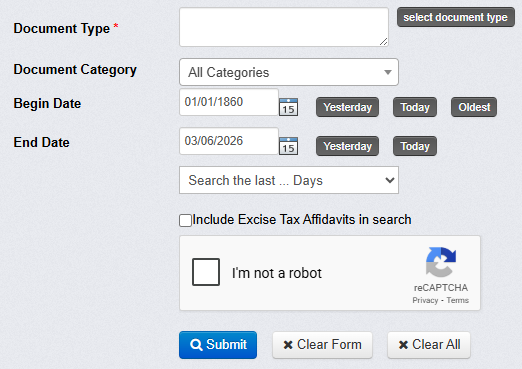
How to Search Snohomish County District Court Records
You can search Snohomish County District Court records by submitting a written request through the official Public Records Portal or by using online and in‑person options that provide access to case dockets, judgments, and administrative records Snohomish County Court provides records under court rules (GR 31/GR 31.1), not the general public records act. Below is a guide for users who want to lookup case information including misdemeanor, traffic, and small claims cases and explains real options based on county policy.
Official Public Records Search
This page verifies that court records are maintained by the District Court and must be accessed under court rules rather than the general records act. This is the fastest online lookup method and gives public case details without visiting the courthouse. Although there isn’t a public free searchable listing of all District Court cases, here are the official ways to find records online:
- Visit the Public Records page: https://snohomishcountywa.gov/1704/Public-Records
- Scroll to the Court Records section.
- You’ll see District Court Cases and Administrative Records listed with a short description of how they are provided.
- Click the link provided (titled something like “District Court’s Records Request Website”) to go to the court’s official search and records tools.
Washington Courts Odyssey Case Search
- Go to the Washington Courts Odyssey Portal: https://dw.courts.wa.gov/
- Choose the Case Search function.
- Enter one of these:
- Exact case number (best if you have it).
- Defendant or plaintiff name.
- Citation number (for traffic cases).
- Select District Court Snohomish County if the system allows filtering.
- View the associated docket information (case events, hearings, current status).
Public Records Request for Court Files
Snohomish County will respond with available records or notify you if a fee applies. If the online tools don’t show what you need:
- Return to the official Public Records page: https://snohomishcountywa.gov/1704/Public-Records
- Click the Public Records Request Portal link.
- In your written request:
- State you want District Court records.
- Include the case number or party name if possible.
- Add a clear description (example: “District Court docket and judgment for case No. 23‑2‑01234‑CR”).
- Submit the request.
In‑Person Search at the District Court Clerk’s Office
Online and portal requests may not always show administrative or document copies. For full case files and official documents:
- Ask the clerk if you need help, or request copies (fees usually apply).
- Visit a Snohomish County District Court location (Everett or other divisions).
- Go to the Clerk’s office.
- Use a public access terminal to search cases by number or party name.
Types of Cases Handled in Snohomish Count Court
Misdemeanor court in Snohomish handles minor criminal cases, traffic infractions, and small claims disputes, including DUI, theft, speeding, and limited civil claims. Unlike the Superior Court which handles more serious matters, this court focuses on cases under limited jurisdiction, resolving everyday legal issues that impact residents, drivers, and local businesses. Cases such as misdemeanors, traffic violations, and small claims appear frequently on the docket, offering faster resolutions, shorter hearings, and straightforward legal processes compared to higher courts. This structure ensures efficient and accessible justice for the community.
Misdemeanor Cases
A large portion of cases handled by the misdemeanor court in Snohomish involve non-felony criminal charges. These offenses carry lighter penalties than felony crimes and are typically handled at the district level, though some matters may be escalated to the superior court when necessary. Judges oversee hearings, arraignments, and sentencing when required. Each case begins with an arraignment where the defendant enters a plea. The court then schedules hearings, motions, or trial proceedings depending on the situation. These cases help maintain public safety while providing a structured legal process for residents facing misdemeanor charges.
Common minor criminal cases handled by the court include:
- Theft involving lower-value property
- Driving Under the Influence (DUI)
- Assault in the fourth degree
- Drug possession or controlled substance violations
- Disorderly conduct or harassment
Traffic Infractions
Another large group of cases involves traffic infractions. These cases typically involve violations of road rules and do not usually carry jail time. Instead, they focus on penalties such as fines, traffic school requirements, or license points. Drivers often appear in court to contest a citation or request a hearing. During these hearings, a judge reviews the ticket, hears arguments, and decides whether the violation stands. This process supports fair infraction resolution and helps drivers address citations properly.
Common traffic-related matters handled by the court include:
- Speeding tickets
- Parking tickets or parking violations
- Reckless driving citations
- Failure to obey traffic signals
- Expired vehicle registration
Small Claims Cases
The district court also hears small claims cases, which involve minor civil disputes and limited monetary civil claims between individuals or businesses. These cases usually involve lower financial amounts and follow simplified procedures. In most small claims cases, attorneys are not required. Parties present their own evidence and statements before a judge. The court then issues a decision that may include a judgment requiring payment or other legal remedies.
Typical small claims and debt disputes include:
- Unpaid personal loans
- Property damage claims
- Unpaid rent or service payments
- Contract disagreements involving small amounts
Court Process & Procedures
The Snohomish County District Court follows a structured process starting with case filing and proceeding through hearings such as arraignment, pre-trial, and final resolution. Each step ensures organized review, protects legal rights, and keeps cases on schedule. The court handles minor criminal offenses, traffic matters, and civil disputes within limited jurisdiction, with judges reviewing facts, hearing both parties, and applying the law. Understanding this process helps residents navigate their cases, stay prepared for hearings, and follow each stage efficiently.
Filing a Case
The first step in the district court process involves case filing. A case may start in several ways depending on the type of legal matter. After filing, the court clerk enters the case into the court system and assigns a case number. This number becomes the main reference for tracking court activity and upcoming hearings.
Common ways a case begins include:
- A law enforcement officer files a criminal citation or complaint.
- A traffic ticket is issued to a driver.
- A plaintiff files a small claims dispute or civil complaint.
Receiving a Summons or Notice
Once the case is filed, the court sends an official notice to the defendant or involved party. This notice usually comes in the form of a summons, citation, or hearing notice. Responding to this notice is important, since missing a hearing may lead to penalties or additional court action.
The notice typically includes:
- Case number
- Charges or dispute information
- Date and time of the initial appearance
- Court location or remote hearing details
Arraignment Hearing
The arraignment hearing is often the first formal hearing in the Snohomish County District Court judicial process. During this initial court appearance, the judge informs the defendant of the charges and explains legal rights.
At an arraignment hearing, the following steps usually occur:
- The judge reads the charges filed in the case.
- The defendant confirms personal information for the record.
- The judge explains the right to an attorney and other legal rights.
- The defendant enters a plea.
Typical plea options include:
- Guilty: accepting responsibility for the charge.
- Not Guilty: requesting further hearings or trial.
- No Contest: not disputing the charge but not admitting guilt.
Pre-Trial Procedures and Motions
If the case continues after the arraignment, the court enters the pre-trial phase. During this stage, attorneys or parties prepare evidence, review legal issues, and file motions with the court. These steps allow the judge to conduct a formal case review and determine how the case should proceed.
Common pre-trial actions include:
- Evidence review and document exchange
- Filing legal motions asking the judge to decide specific issues
- Scheduling additional hearings
- Negotiations that may resolve the case before trial
Hearing Schedule and Case Resolution
After pre-trial procedures, the court sets a hearing schedule. During these proceedings, the judge listens to testimony, reviews evidence, and applies the law. The case may conclude with a verdict, settlement, or court judgment. Once a decision is reached, the court records the outcome in the official docket. This may involve fines, case dismissal, payment orders, or other legal remedies depending on the case.
Depending on the case type, this may include:
- Pre-trial conferences
- Motion hearings
- Bench trials before a judge
Court Schedule & Dockets
The Snohomish County District Court uses a structured court calendar to list daily hearings, judge assignments, and scheduled proceedings. Dockets cover traffic infractions, misdemeanors, and civil cases, helping the public track upcoming sessions. Each entry includes the case number, hearing type, time, and courtroom or virtual details. This system allows defendants, attorneys, and residents to confirm dates and prepare for court. Public docket listings promote transparency while protecting personal data, ensuring daily operations remain organized and hearings proceed on schedule.
Daily Court Calendar
The daily docket lists cases scheduled to appear before the court on a specific day. Court staff arrange the calendar so hearings move in an orderly sequence during each session. Judges review cases according to this schedule, which may include criminal matters, civil disputes, and traffic infractions. Checking the daily calendar allows defendants and attorneys to confirm their appearance time and courtroom assignment. This structured schedule helps the Snohomish County District Court handle multiple hearings efficiently while keeping proceedings organized.
Typical daily docket entries include:
- Arraignment hearings for misdemeanor charges
- Traffic infraction hearings for citations
- Small claims civil dispute hearings
- Pre-trial hearings or motion reviews
Weekly Hearing Schedule
The court organizes cases through a weekly hearing schedule that groups similar matters together. This approach allows judges to handle related case types during specific court sessions across the week. Criminal hearings, civil matters, and traffic infractions often appear on different calendar blocks. This structure improves efficiency and helps attorneys and defendants anticipate when their case may be scheduled. A predictable schedule supports smoother courtroom operations and allows the Snohomish County District Court to manage its workload effectively.
| Case Type | Typical Court Session | Description |
|---|---|---|
| Misdemeanor cases | Criminal hearing days | Arraignments, pre-trial hearings, or trials |
| Traffic infractions | Traffic calendar sessions | Citation review and infraction resolution |
| Small claims | Civil calendar sessions | Limited monetary civil claims |
| Motions and reviews | Motion hearing sessions | Judicial review of filings and requests |
Traffic Infraction Scheduling
A large portion of cases handled by the Snohomish County District Court involves traffic infractions. These matters are scheduled in dedicated court sessions so drivers can address citations in an organized setting. During these hearings, judges review the ticket, consider statements, and determine whether the violation stands. Drivers receive a notice that lists their court hearing date, time, and location. Grouping traffic matters together allows the court to process many cases in a single session.
Traffic docket hearings commonly involve:
- Speeding ticket disputes
- Parking violations or parking tickets
- Failure to obey traffic signals
- Reckless or negligent driving citations
Filing & Paying Fines
The Snohomish County District Court allows residents to handle small claims, traffic infractions, and misdemeanor cases using official forms and clerk services. Payments for fines and court fees can be made online, by mail, or in person depending on the case type. The court provides clear guidance for filing cases, responding to citations, or settling fines. Filing begins by completing the appropriate forms, submitting them to the clerk, and paying the required fees, ensuring cases proceed efficiently through the judicial process.
Small Claims Filing Fees
Small claims cases involve limited monetary civil claims such as unpaid debts or property damage. A person filing the case must submit the Notice of Small Claim form to the court clerk and pay the filing fee at the time of submission.
| Filing Type | Filing Fee | Notes |
|---|---|---|
| Small Claims Case Filing | $50 | Paid when the Notice of Small Claim form is filed |
| Service by Sheriff | Approx. $30–$50 | Fee varies depending on service method |
| Certified Document Copy | About $5 for first page | Additional pages usually lower cost |
Traffic Infraction Fines and Fees
Drivers who receive traffic infractions must respond within 30 days of the violation date. The driver can pay the fine, request a mitigation hearing, or contest the citation in court. Fine amounts vary depending on the violation and are set by Washington State traffic infraction schedules.
| Traffic Violation Example | Typical Fine Range | Notes |
|---|---|---|
| Speeding Ticket | $124 – $250+ | Depends on speed over limit |
| Failure to Obey Traffic Signal | About $136 | Standard Washington traffic penalty |
| Parking Violation | $25 – $75 | Amount varies by location and violation |
| Reckless Driving | Higher fines + court hearing | Often handled as a misdemeanor |
Misdemeanor Case Fees
Criminal cases handled by the misdemeanor court Snohomish often begin with a citation or complaint filed by law enforcement. Defendants may face court fines or penalties depending on the charge and the judge’s decision.
| Misdemeanor Case Type | Possible Court Cost | Notes |
|---|---|---|
| DUI Charge | Up to several thousand dollars | Includes fines, fees, and penalties |
| Theft (Low Value) | Court-ordered fines | Amount depends on case outcome |
| Minor Assault | Court fines or probation fees | Judge determines final penalty |
| Drug Possession | Fines or treatment requirements | Depends on legal circumstances |
Payment Methods for Court Fines
People resolving traffic infractions or misdemeanor fines can choose from several payment methods approved by the Snohomish County District Court.
- Online payment through the district court payment system
- In-person payment at a district court division
- Mail payment using check or money order
- Court drop box payment for checks or money orders
Forms and Documentation Needed
Before filing or paying fines, residents should prepare the required court forms and documentation. These documents allow the clerk to register the case and schedule hearings correctly.
Common documents used in district court include:
- Notice of Small Claim form
- Traffic citation notice
- Proof of service document
- Case number or citation number for payments
Rights & Responsibilities of Parties
In the Snohomish County District Court, defendants and plaintiffs are entitled to legal protections, including fair treatment, legal representation, and the right to present evidence while adhering to courtroom procedures. The misdemeanor court Snohomish manages cases involving two or more parties seeking resolution before a judge. Participants must respect courtroom rules, fulfill obligations, and provide accurate information. Understanding these rights and responsibilities helps individuals prepare properly and engage effectively in the district court process.
Rights of Defendants
Defendants in Snohomish County District Court are granted protections to ensure fairness in criminal proceedings, including cases handled by the misdemeanor court for minor offenses or traffic violations. They have the right to be informed of charges and legal options at their initial appearance, review evidence, and respond to accusations. Defendants can also present witnesses or documents supporting their case, while judges oversee hearings to ensure these rights are upheld and every defendant receives a fair opportunity to defend themselves.
Rights provided to defendants include:
- Right to receive notice of the charges
- Right to remain silent during proceedings
- Right to present evidence and witnesses
- Right to request legal representation
- Right to a fair and impartial hearing
Rights of Plaintiffs
Plaintiffs are individuals who bring a legal claim before the court, most commonly in small claims or civil disputes. In the Snohomish County District Court, plaintiffs have the right to present their claim and seek a legal remedy for financial or personal losses. The plaintiff must clearly explain the dispute and provide supporting documentation during the hearing. Judges listen to both parties before issuing a decision. The court protects the plaintiff’s opportunity to present evidence and question the opposing party during the hearing process.
- Right to file a civil claim or complaint
- Right to present supporting documents or testimony
- Right to respond to statements from the opposing party
- Right to receive a decision from the judge
Legal Representation or Self-Representation
Parties appearing in the misdemeanor court Snohomish may choose to work with an attorney or represent themselves in court. Legal representation can help with preparing documents, reviewing evidence, and presenting arguments before the judge. Some cases in district court, especially small claims disputes, allow parties to appear without attorneys. When choosing self-representation, individuals must still follow court procedures and prepare their case carefully. Judges often explain basic steps during hearings so both parties understand the process.
Courtroom Behavior and Responsibilities
All participants appearing in the Snohomish County District Court must follow basic courtroom standards. Respectful behavior helps maintain order and ensures the judge can conduct the hearing properly. Participants should arrive on time, bring required documents, and listen carefully to instructions given during the session. These responsibilities help keep hearings organized and allow each party to present their case clearly.
Common courtroom responsibilities include:
- Arriving before the scheduled hearing time
- Dressing appropriately for court proceedings
- Speaking respectfully to the judge and court staff
- Bringing all required documents and evidence
- Following courtroom instructions during hearings
Locations & Courthouse Information
Snohomish County District Court has multiple facilities across the county, each serving a specific jurisdiction. The correct courthouse depends on where a case was filed or where an incident occurred, allowing residents to handle legal matters close to home. These locations offer services such as case filing, payment processing, and scheduled hearings. Checking the assigned court on a case notice ensures parties arrive at the proper courtroom and avoids confusion during their visit.
Main Courthouse Location
The primary Snohomish County District Court location is in Everett, which serves as a central court facility for many county judicial operations. This courthouse handles a large number of hearings, administrative services, and public court functions. The Everett court facility provides important courthouse services, including case records, payments for fines, and assistance from the court clerk’s office. Visitors should arrive early to allow time for security screening and locating the correct courtroom.
Main Courthouse Information
| Detail | Information |
|---|---|
| Courthouse Name | Snohomish County District Court – Everett Division |
| Snohomish Courthouse Address | 3000 Rockefeller Ave, Everett, WA 98201 |
| Court Office Hours | Monday–Friday, typically 8:30 AM – 4:30 PM |
| Phone | (425) 388-3331 |
| Parking | Public parking garages and nearby street parking |
| Public Transit | Community Transit and Everett Transit routes serve the area |
District Court Branch Locations
The Snohomish County District Court operates through several divisions across the county. These branches handle cases based on the court jurisdiction area connected to the residence of the defendant or the location of the incident.
Major court branch locations include:
- Everett Division – Central courthouse handling many criminal, civil, and administrative matters
- South Division (Lynnwood) – Serves southern Snohomish County communities
- Cascade Division (Arlington) – Handles cases from northern areas of the county
- Evergreen Division (Monroe) – Covers cases from eastern Snohomish County
Frequently Asked Questions
The Snohomish County District Court handles minor criminal offenses, traffic violations, and small claims disputes. Understanding court procedures, filing requirements, and hearing preparation helps residents navigate the system efficiently while protecting their legal rights. Each case type follows a structured process, and the court provides guidance on filing, documents, and procedural steps. Being informed ensures smoother participation in hearings, minimizes delays, and helps defendants and plaintiffs fulfill their responsibilities effectively.
What cases go to Snohomish County District Court?
The Snohomish County District Court primarily handles cases with limited jurisdiction. This includes misdemeanor cases such as theft, DUI, minor assault, or drug possession. The court also resolves traffic infractions including speeding tickets, parking violations, and reckless driving. Additionally, the court hears small claims disputes where the monetary value of the claim is limited, allowing parties to resolve civil disagreements efficiently. Cases are assigned to the proper division based on residence or the location of the incident, ensuring each hearing is conducted in the correct jurisdiction area.
How do I prepare for an arraignment hearing?
An arraignment hearing is the defendant’s first formal appearance before the judge. During this hearing, the court informs the defendant of the charges and explains available legal options. Preparation includes reviewing the case notice for date, time, and courtroom location. Defendants must decide whether to hire an attorney or represent themselves, and they should bring all relevant identification and case documents. At the hearing, the defendant will enter a plea of guilty, not guilty, or no contest. Being prepared helps the court process the case efficiently while protecting the defendant’s legal protections.
How are traffic infractions handled?
Traffic infractions in Snohomish County are generally scheduled in dedicated traffic court sessions. Drivers have the option to pay the fine online, in person, or by mail within the timeframe indicated on the citation. Those who wish to contest the citation may request a hearing or mitigation session, where they can explain the circumstances. Judges review the evidence and issue a ruling based on the facts presented. Handling traffic violations through these sessions ensures the court can process a large number of cases efficiently while maintaining accurate hearing schedules for all participants.
How do I file a small claims case?
Filing a small claims case involves submitting a Notice of Small Claim form to the district court clerk and paying the required filing fee. The form should include the names of the plaintiff and defendant, their contact information, and a clear description of the dispute or debt claim. Any supporting documents or evidence should be attached to strengthen the case. Once submitted, the court schedules a hearing or mediation session, providing an opportunity for both parties to present their arguments before a judge. This process ensures civil disputes are resolved efficiently within the district court building assigned to the correct jurisdiction.
Can I represent myself in court?
Parties appearing in the Snohomish County District Court may choose to represent themselves, particularly in small claims cases or minor traffic matters. Self-representation requires knowledge of court procedures, proper presentation of evidence, and adherence to courtroom rules. Attorneys can assist with document preparation, strategy, and evidence review, but legal representation is not mandatory. Regardless of representation, all parties are expected to follow courtroom etiquette and comply with judge instructions. Proper conduct ensures the hearing proceeds smoothly and that the court can render decisions fairly and efficiently.