Snohomish County Probate Court handles legal matters related to estates, wills, and guardianships within the county. It oversees the probate process, ensuring that estates are managed properly, heirs receive their inheritance fairly, and all court filings comply with Washington state law. For anyone dealing with estate cases in Snohomish, the court provides a structured system to handle complex legal requirements, from validating wills to supervising fiduciary duties. Whether filing a will, managing an estate, or addressing a guardianship case, the probate court plays a critical role in protecting the rights of heirs and ensuring legal estate management runs smoothly.
Probate cases can include estate settlement, distribution of assets, and oversight of executors’ duties. The court monitors how estates are administered, enforces fiduciary responsibilities, and helps resolve disputes between beneficiaries. Legal estate management involves careful documentation, timely filings, and following procedures set by law. Guardianship cases also require court supervision to protect minors or incapacitated individuals. By providing clear procedures and structured oversight, Snohomish County Probate Court helps residents handle inheritance, probate filings, and estate matters efficiently while reducing conflicts and ensuring fairness for all parties involved.
What are Probate Court in Snohomish County
Snohomish County Probate Court refers to the part of the Snohomish County Superior Court that handles probate and related legal matters, such as estate administration, wills, and guardianships. The Snohomish County Court provides probate jurisdiction over cases where a person has died and their assets must be legally administered, family-related financial matters are in question, or someone needs a guardian appointed by the court. The court keeps public records of probate cases, oversees legal estate management, and ensures that all court filings meet Washington state requirements.
Role, History, and Jurisdiction
In Snohomish County, probate matters are handled by the Superior Court, which oversees wills, estate administration, and guardianship cases. The court validates wills, appoints executors, supervises estate distribution, and resolves inheritance disputes, ensuring fiduciary duties are met. Rooted in Washington’s historical court system, it maintains extensive public records and holds jurisdiction over probate cases involving residents or property within the state, providing legal oversight and protecting the rights of heirs and beneficiaries.
Probate matters in Snohomish include:
- Will validation and filing with the Superior Court Clerk’s Office.
- Estate administration and distribution of assets to heirs.
- Guardianship and conservatorship cases involving minors or incapacitated adults.
- Managing creditor claims and closing the decedent’s legal affairs.
How to Search Probate Records
Searching probate records from the Snohomish County Probate Court and Superior Court Clerk’s Office helps users locate case information for estate cases, wills, guardianships, personal representative filings, and related court docket lookup details. Probate records are open to public inspection unless a law or court order restricts access. These records provide essential information about estate administration, including filings, hearings, and court decisions. Users can also verify the status of ongoing probate cases and confirm appointed representatives or guardians.
What Probate Records You Can Search
These records let you follow the court’s actions from filing to final estate distribution. Public probate records include:
- Estate case filings: Petitions, inventories, distributions.
- Guardianship and conservatorship cases: Petitions, orders, reports.
- Wills filed for probate: Copies of wills once accepted by the court.
- Executor (personal representative) appointments: Letters testamentary/administration.
- Case docket entries: All events, hearings, and motions recorded in the case.
Steps For Online Search
- Start at the Official Court Records Access Page
Visit the Snohomish County Clerk’s Court Records Access Official page: https://www.snohomishcountywa.gov/5508/Access‑Court‑Records - Choose How You Want to Search
- Digital Archives Search: For documents stored online, go to the Washington State Digital Archives option from the Clerk’s page.
- Washington Courts Online Search: Use the Washington Courts Name & Case Search (via courts.wa.gov) to find basic case info, including probate cases (no documents).
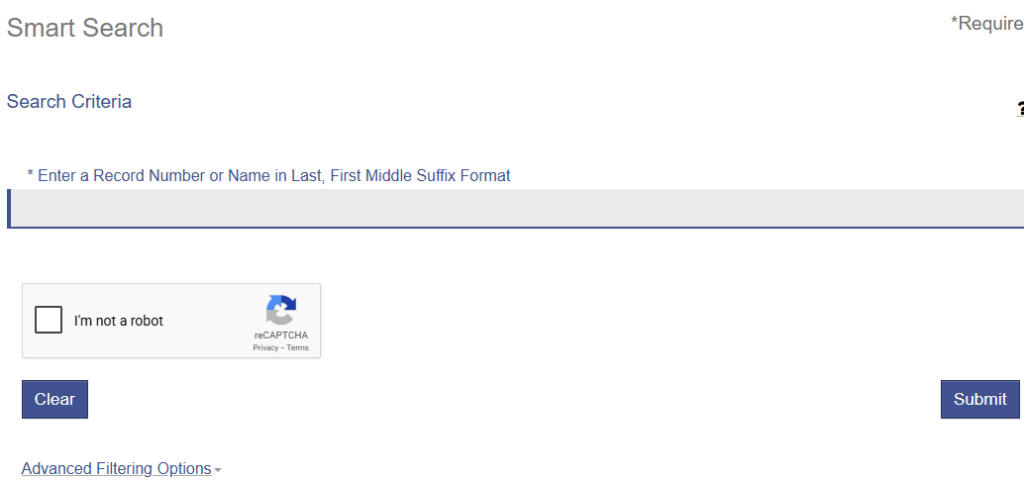
- Search by Case Number or Name
- If you know a case number, enter it first — this gives the most accurate result.
- If not, enter the decedent’s full name (last, first) or the executor’s name.
- Add date ranges to limit results for large lists.
- View Results
- On the Digital Archives page, valid results display under the “Record Series” area. Click Show All Records to view matches.
- To view available images, click the magnifying glass icon. If a document loads, you’ll see a View/Download PDF link (some pages may only show a preview).
- Understand What You Can See Online
- Some probate documents display partial images online.
- Full copies or certified versions may require ordering (see below).
Types of Estate Cases in Snohomish County
Probate cases in Snohomish County cover a variety of legal processes related to estate management, inheritance, and guardianship. These cases ensure that a deceased person’s assets are distributed according to law, and that minors and incapacitated adults are protected, with oversight from the municipal court executors also must fulfill their fiduciary duties. Residents often encounter cases involving will filing, estate settlement, guardianship appointments, and executor responsibilities. Knowing the type of probate case helps families follow correct procedures and meet all legal requirements efficiently.
Will Filing and Validation
Will filing is the process of submitting a deceased person’s last will to the probate court. The court verifies that the document meets all legal requirements and ensures it represents the decedent’s intentions. This step protects heirs and facilitates proper estate administration. Filing a will promptly avoids delays in the probate process and allows the court to issue letters testamentary for the appointed executor. Using a Will Filing Checklist ensures that all documents and requirements are completed correctly, reducing errors and expediting the probate process.
Steps in will filing include:
- Submitting the original signed will to the court clerk
- Providing a death certificate
- Filing a petition for probate
- Paying the required filing fee
- Attending a hearing if disputes arise
Estate Settlement Process
The estate settlement process begins after the will is validated or an administrator is appointed. This process ensures debts are paid, assets are inventoried, and beneficiaries receive their inheritance properly. Executors or personal representatives follow a legal procedure to manage the estate and submit required filings to the court. This process maintains transparency and minimizes conflicts among heirs. The court supervises key steps to ensure that all actions comply with probate laws and the decedent’s wishes.
Steps in estate settlement:
- Notifying heirs and beneficiaries
- Publishing notices to creditors
- Preparing a complete asset inventory
- Paying debts and taxes owed by the estate
- Filing accounting reports with the court
- Distributing remaining assets to heirs
Guardianship and Conservatorship Cases
A guardianship case or conservatorship is filed when someone cannot manage personal or financial affairs due to age or incapacity. Guardianship applies to minors, while conservatorship applies to adults. The court evaluates the necessity, reviews petitions, and supervises ongoing responsibilities. These cases protect vulnerable individuals and ensure their interests are legally safeguarded. Regular court reviews may also be required to confirm that the appointed guardian or conservator continues to act in the individual’s best interests.
- Determining eligibility of the ward (minor or adult)
- Filing a petition with supporting evidence
- Court hearing to review the request
- Appointment of a guardian or conservator
- Ongoing court supervision and reporting requirements
Executor Duties and Responsibilities
An executor (personal representative) manages the estate on behalf of the deceased. Executors carry out legal obligations, manage assets, pay debts, and distribute property according to the will or state law. Proper execution of these duties protects beneficiaries and prevents legal disputes. Executors are legally accountable for their actions and must act in the estate’s best interest. Using an Executor Task Checklist helps track each responsibility, ensures compliance with court procedures, and reduces the risk of mismanagement or liability issues.
Executor duties include:
- Safeguarding estate assets and property
- Notifying heirs and interested parties
- Paying debts, taxes, and creditor claims
- Preparing detailed accounting reports for court approval
- Distributing assets to beneficiaries according to the will
Filing Procedures and Requirements in Snohomish Probate Court
Snohomish County Probate Court follows specific procedures for submitting wills and estate documents. Anyone who has the original will of a deceased person must submit it to the county Superior Court Clerk’s Office within the required timeframe. The filing process involves completing the correct probate forms, paying applicable probate fees, and submitting documents either in person, by mail, or through approved electronic systems where available. This section explains the complete will filing procedure, required forms, court deadlines, and official resources for downloading documents.
Required Probate Forms for Filing
Before filing documents in probate court, applicants must prepare the correct paperwork. The most common forms used when starting a probate case include:
- Case Cover Sheet – Probate, Guardianship & Mental
- Required when opening a probate estate case.
- Petition for Probate
- Requests the court to officially begin probate proceedings.
- Death Certificate
- Certified copy required for verification.
- Original Will
- Must be submitted to the court clerk.
- Will Repository Cover Sheet
- Used when depositing a will with the court repository before death.
- Official Snohomish County probate information and resources can be found on Official Page: https://snohomishcountywa.gov/5503/Probate
Steps for Will Filing
Follow these steps to file a will or open an estate case with Snohomish County Probate Court:
- Collect Required Documents
Gather the original will, certified death certificate, and completed probate forms. - Complete the Case Cover Sheet
Fill out the Probate, Guardianship & Mental Case Cover Sheet, which categorizes the case in the court system. - Submit the Original Will
If the will holder possesses the original document after the testator’s death, it must be filed with the court clerk. - Pay Required Probate Filing Fees
- Will-only filing: $20
- Full probate case filing: about $240
- Certified probate letters: $5 per letter
- Receive Case Number
Once the clerk accepts the filing, the court assigns a case number and records the probate case. - Court Review and Probate Process
The judge or commissioner reviews the petition and may issue letters testamentary or schedule further proceedings.
Filing Deadlines and Court Rules
These deadlines help the court begin estate administration and prevent delays in inheritance distribution. Washington law requires timely filing of estate documents: timely submission ensures that creditors are notified and debts are addressed promptly, and it helps heirs receive their inheritance without unnecessary legal complications. Missing deadlines can result in court sanctions or delays in estate settlement.
- Any person who holds the original will must file it within 40 days of the testator’s death with the Superior Court Clerk in the county where the person lived.
- Wills filed after death generally become public court records.
E-Filing and Submission Methods
Snohomish County provides several ways to submit probate documents:
- In-Person Filing
Documents may be delivered to the Superior Court Clerk’s Office during normal business hours. - Mail Submission
Probate documents and payment can be mailed to the clerk with required forms attached. - Electronic Filing
Some court requests and orders can be submitted electronically through the county’s Ex Parte via the Clerk system, which allows filings and document submissions online with confirmation and status tracking.
Location and Contact Information
The Snohomish County Superior Court, which handles probate matters for Snohomish County, is located in the county courthouse in Everett. Residents visit this courthouse to file wills, open probate estate cases, attend hearings, or request public records. The clerk’s office manages probate filings, document processing, and case inquiries for the county. Knowing the correct address, office hours, and directions can help visitors complete probate tasks efficiently. Visitors may also contact the clerk’s office in advance to confirm filing requirements, fees, or appointment availability before arriving at the courthouse.
Probate Court Address
Snohomish County Superior Court Clerk’s Office Address:
3000 Rockefeller Ave, M/S 605
Everett, WA 98201
United States
Office Hours
Visitors can file probate documents or request assistance during the following hours:
- Monday – Friday: 8:30 a.m. – 4:30 p.m.
- Lunch Closure: 12:00 p.m. – 12:45 p.m.
- Closed: Weekends and county holidays
Phone and Email Contact
For probate case inquiries, filing questions, or document requests, contact the clerk’s office:
- Phone: 425-388-3466
- Email: contact.clerk@snoco.org
- Court Administration: 425-388-3421
Frequently Asked Questions
Residents dealing with estate cases in Snohomish or a guardianship case often have similar questions about probate court procedures. The probate division of the Snohomish County Superior Court oversees matters such as estate administration, inheritance disputes, guardianships, and executor responsibilities. Understanding the typical timelines, duties, and legal steps can help families manage probate cases more smoothly. Below are some frequently asked questions that explain how the probate process works in Snohomish County. These answers provide general guidance to help individuals better understand court expectations and the steps involved in handling probate matters.
How long does a probate case take in Snohomish County?
A probate case in Snohomish County can take anywhere from a few months to over a year, depending on the complexity of the estate. Simple cases with uncontested wills and minimal assets are usually resolved more quickly, while estates with multiple heirs, debts, or disputes may require extended court supervision. The court ensures all steps, including filing, notifying heirs, and verifying assets, are completed correctly. Timelines can also vary based on hearings, document submissions, and procedural requirements. Planning ahead and staying organized can help speed up the process.
Can a will be contested, and what is the process?
Yes, a will can be contested if an heir or interested party believes it is invalid due to factors such as undue influence, fraud, or the decedent lacking legal capacity when signing. To contest, the individual must file a formal objection with the Snohomish County Probate Court. The court will review evidence, hear testimony from witnesses, and schedule hearings. If the will is deemed invalid, the court may enforce an earlier will or distribute assets according to state intestacy laws. Understanding this process helps prevent surprises and ensures disputes are legally resolved. Because probate disputes can be complex, many individuals also seek legal guidance to present evidence properly and follow court procedures.
What are the duties of a court-appointed guardian?
A court-appointed guardian is responsible for protecting the personal, financial, and medical interests of a minor or incapacitated adult. Duties include managing finances, paying bills, making healthcare decisions, and ensuring proper living arrangements. Guardians must provide regular reports to the probate court, maintain detailed records, and act in the best interest of the individual under guardianship. Failure to comply with court directives can result in removal as guardian or legal consequences. Acting responsibly and following court guidance ensures the welfare of those under guardianship is fully protected.
How are estate debts and taxes handled?
During probate, the executor must identify and pay all valid debts and taxes before distributing assets to heirs. This involves notifying creditors, settling outstanding bills, and filing federal and state tax returns. The Snohomish County Probate Court oversees the process to ensure legal compliance and prevent disputes. Creditors have a limited timeframe to submit claims, and the court verifies all payments are correct. Proper debt and tax management protects heirs from future liability and ensures the estate is administered lawfully and efficiently, minimizing delays in final distribution.
What happens if an executor fails to perform duties?
If an executor neglects their responsibilities, such as mismanaging assets or failing to submit required reports, the probate court can remove them and appoint a successor. Executors have a legal fiduciary duty to act in the estate’s best interest and follow proper procedures. Beneficiaries may petition the court to address misconduct. In some cases, the executor may be held personally liable for losses caused by negligence or intentional wrongdoing. Proper execution of duties protects the estate, avoids disputes, and ensures a smooth probate process for all parties involved. Courts may also require a full accounting of estate transactions to review how funds and assets were handled during the administration.